Best 4K Ultra HD TVs

LG Nano86 Series (2021)
- Screen Size 55", 65", 75" and 86"
- Screen TypeNanoCell
- See all


TV is clear and easy to navigate with a lot of easy extras Show details

TCL C835 Series
- Screen Size 55", 65" and 75"
- Screen TypeLED/LCD
Great tv – Love this tv, great picture and very good for gaming. And at a great price. Show details

ALDI Bauhn 4K Ultra HD
- Screen Size 43", 50", 55", 58", 60", 65", 70", 75", 82" and 85"
- Screen TypeLED/LCD


Ali TV three years ago. It is a 58" tv. After 3 years everything is dead. It's not turning on. I went to ALDI and they gave me a phone number to… Read more
contact for repair. There was no help from the inside. Stay away from Aldi TV they are rubbish. I'm going to throw into bin.

TCL C635 Series
- Screen Size 43", 50", 55", 65" and 75"
- Screen TypeQLED
Perfect TV until it broke after 14 months – Update after ~2 years: my tv was replaced free of cost and ever since then had no issues. After 14 month TV's backlight stopped working suddenly. Before that I was happy with the TV. Edit: Tv was replaced free of charge. Show details

FFalcon UF2 Series
- Screen Size 50", 55" and 65"
- Screen TypeLED/LCD
TV fault – I would like to commend Alvin for his prompt response to my Warranty Claim. TCL have been very good to me. Thanks Alvin Show details

Hisense U8HAU Series
- Screen Size 55", 65" and 75"
- Screen TypeLED/LCD
- See all


This an amazing tv I love it and it is good and it gives me a joy of a time watching the tv Show details

LG C1 Series
- Screen Size 48", 55", 65", 77" and 83"
- Screen TypeOLED

- See all


I am extremely disappointed with both the reliability of my LG OLED TV and the way my recent issue has been handled by LG customer service. I… Read more
purchased my LG OLED65C1PTB in August 2021, expecting a premium TV with the quality and durability associated with LG’s OLED range. Unfortunately, I have experienced repeated problems with this TV:
* Less than a year after purchase, the original remote control developed issues. * I subsequently experienced problems with the replacement remote and had to purchase another one myself. * In May 2026, the TV suddenly stopped turning on, with a black screen and no sound. The TV was repaired under warranty, and I was advised that the issue was with the power board. * In September 2026, only a few months after that repair, the TV has again stopped functioning. This time, the standby light repeatedly blinks on and off and the TV will not turn on.
What I find particularly disappointing is LG customer service’s response. I was told that because the TV had already been repaired in May, this latest failure is not covered by the warranty or Australian Consumer Law.
Given that the previous repair involved the power board, and the TV has experienced another serious failure only a few months later, I find this response extremely unsatisfactory. I purchased a premium OLED television from LG with the reasonable expectation that it would provide reliable service for significantly longer than this.
The issue is not simply that something has gone wrong with an older TV. The TV has had multiple problems throughout its relatively short life, including two remote-control failures and now two significant TV hardware failures, with the latest occurring only months after a warranty repair.
I am very disappointed that LG has focused on the expiry of the manufacturer’s warranty rather than properly considering the TV’s repeated failures, the previous repair, and my rights under Australian Consumer Law.
I expected much better quality from a premium LG OLED product and, equally importantly, much better customer service when the product has experienced repeated faults.
Product: LG OLED65C1PTB Purchased: August 2021 Major repair: May 2026 – power board Latest failure: September 2026 – TV will not turn on, standby light blinking
Based on this experience, I would be very hesitant to purchase another LG television and would think twice before recommending LG to others.

TCL C845 Series
- Screen Size 55", 65", 75" and 85"
- Screen TypeLED/LCD


tcl will not honor warranty we have an 85 inch tv it stop working it took a month before they sent technicians to look at the tv they pulled the… Read more
power supply and replace it even though that was not the problem the graphics card is the problem there repair did not work and they cracked the screen doing the replacement power supply then they voided the warranty because the screen was cracked THEY CRACKED IT

they have no functioning waranty policy steer clear at all cost

LG OLED TV CS Series
- Screen Size 55", 65" and 77"
- Screen TypeOLED

- See all


Great tv for a couple of years then burn in starts. This is my second one. Lg had to replace the first one for the same issues. 6 years old high end… Read more
tvs should not have a problem. As you can see in the photo seems the red pixels fade. Lg don’t won’t to know about it. Tried.

Hi Glenn, thanks for sharing your feedback. We're disappointed… Read more (+1 reply)

TCL C7K Premium QD-MiniLED Series
- Screen Size 55", 75" and 85"
- Screen TypeQLED
- See all


Had a problem with app getting stuck, Apple Airplay, Shin from Tcl patiently helped me getting it sorted out, very quickly, Tcl Great Company and Products Always Show details

Samsung S95D Series
- Screen Size 55", 65" and 77"
- Screen TypeQLED
- See all


Great & user friendly with smart features – Love Samsung's tvs I upgraded from a 2020 model & love the sleek , thin profile of this one and the great features like AI , the remote isn't a big ,… Read more
clunky with useless buttons you only need the basics its quite compact & you can charge the remote by usb or daylight as it's got a little solar panel so cool no more batteries. Love how easy to navigate trust me its a nice television a little pricey but if you have the money why not you won't be disappointed

EKO 4K Ultra HD Android TV Series
- Screen Size 50", 55", 58", 60", 65", 70" and 75"
- Screen TypeLED/LCD
- See all


Absolute pile of garbage. Do not buy these TV's. Barely usable after 12 months. Half way through movies it just drops out and goes back to the main… Read more
menu. Same with youtube if I'm lucky enough for them to load in the first place Looking forward to my next visit to the tip so I can throw this product where it belongs

Hi Steve, May you please try the troubleshooting steps… Read more

TCL P735 Series
- Screen Size 43", 50", 55", 65" and 75"
- Screen TypeLED/LCD
- See all


Great size but not great for sport watching! – We love the size of this tv it has a clear bright picture. When you are watching afl however the picture is slow. The remote is very very touchy too,… Read more
if you put it down and it happens to roll over it’ll come up with Netflix or something. We have a sound bar hooked up to it as the sound isn’t great either. We had that already though so easy to hook in. We got it for a bargain so not complaining - get what you pay for! It is a base model so got to be expected!

Hisense A7KAU Series
- Screen Size 43", 50", 55", 65", 75" and 85"
- Screen TypeLED/LCD


Was a great tv for about 3 years, until one day, I paused it walked out of the room came back and the screen was black, I don't think I'd buy this… Read more
brand again , I'm currently using a Samsung that we've had for over 15 years as a spare, luckily it's still under warranty at Binglee.

Toshiba C350K Series
- Screen Size 43", 50", 55", 65" and 75"
- Screen TypeLED/LCD
- See all


The view of the tv is very clear and it doesn’t consume electricity Show details

Hisense 65X9HAU (65")
- Price (RRP) $4,499
- Screen Size 65"
- Screen TypeOLED
I've just replaced my original Hisense 65" with the latest version and I must say how impressed I am with it. The image quality is superb for the… Read more
price and the functions available are right up-to-date. I also have a 65" LG OLED which is terrific but over 3 times the price. Well done Hisense.

Sony A80J Series
- Screen Size 55", 65" and 77"
- Screen TypeOLED
- See all


Brought this TV in Feb 2023 for over $2000, thought it would be quality product. Tv only had 1 year warranty. 2 1/2 years later we get a finger size… Read more
dot appear on screen. Then 6 months later screen goes blank and now only comes up with 4 blinks of the status light. This light means there is a fault with 1 of the 3 board in tv. Contacted Sony, they won't do anything, because it's out of warranty. I don't care what they say, it's sad that major manufactures are selling high end products with limited warranty. This leaves customers with no course of action. This TV has cost $700 dollars per year. Now on going to buy lower end product and if it breaks will buy another. Was told Sony make good products

Hisense U7G Series
- Screen Size 55", 65", 75" and 85"
- Screen TypeQLED
The screen quality is excellent. sound is great. remote is easy simple button. It came with solar panel and usb c charging port. Show details

Chiq H10 UHD Android TV Series
- Screen Size 43", 50", 55", 58" and 65"
- Screen TypeLED/LCD
- See all


Would never buy another chiq tv and would advise against it. Woefully under resourced so the android tv experience is so so bad it drives you nuts. Super laggy and you have to press the remote buttons extremely hard to try and get a response.

Afternoon Pdjhh, We’re sorry to hear about your experience… Read more (+2 replies)

TCL C745 Series
- Screen Size 55", 65", 75", 85" and 98"
- Screen TypeQLED
- See all


Brought the mentioned unit 3 months ago and not worth the 1 star experience I have rated it. My dear comrades stay away from any TCL product. They… Read more
are poor quality and regret going down this brand. New TV and streaming is a nightmare. Issues with picture freezing and navigating back to normal tv mode it just refuses to work. Not my network as I am running hard wired internet connection at a network speed of 1000 mbs download.. the fastest in its class. This TV is just junk. Stay away because you will not be satisfied with the TCL Product. I’ll contact customer support again but like my previous experiences it’s a nightmare dealing with them

Sony Bravia 3 Series
- Screen Size 43", 50", 55", 65", 75" and 85"
- Screen TypeLED/LCD
the best purchase , nice imagen and good size y buy again

LG QNED81
- Screen Size 55", 65" and 75"
- Screen TypeLED/LCD and NanoCell


The TV itself is a solid budget friendly choice. It is a backlit screen, so the blacks aren't true black. However, for normal use it works well, is… Read more
easy to navigate and is fine for front-on viewing. The major issue is that the remote control is rubbish. The pointer control button breaks with normal usage, rendering that function useless, especially as it is also the OK button for all functions.. I have had two remotes fail. The first was replaced via JB Hifi after a long wait.. The second time JB Hifi refused to act and, after 2 months of follow-ups by us (nothing from them) wanted to sell us a replacement. It is a common and known fault and complaints are widely published. Unfortunately neither JB Hifi or LG want to accept accountability for poor design and hardware deficiency. The remote control is key to TV enjoyment, so I would not recommend any LG TV product that uses the MR25GA remote. It is rubbish.
Hi there, thank you for sharing your experience with us. We… Read more (+1 reply)

TCL C725 Series
- Screen Size 43", 50", 55", 65" and 75"
- Screen TypeQLED
- See all


Software seems to be the issue. TV is slow to run, needs frequent restarts, goes back to home screen or a different app to the one selected. Never going TCL again. Show details

Hisense U7HAU Series
- Screen Size 55", 65" and 85"
- Screen TypeLED/LCD

- See all


Just after 3 years, the screen turned into a black canvas with coloured stripes while I was watching. I contacted them, and the only response I got… Read more
was that the warranty had expired. What impeccable timing—the screen, the core component of the TV, died just after the 3-year mark.

Hisense Q6QAU Series
- Screen Size 43", 55" and 75"
- Screen TypeQLED
- See all


Hardly recommend it was an awesome purchase. It lasted me forever. was it wouldn’t hesitate to buy three more?

LG C3 OLED TV Series
- Screen Size 42", 48", 55", 65", 77" and 83"
- Screen TypeOLED
- See all


Agree with many. An unfortunately very poorly implemented product. The software controlling this TV is utterly useless. Will never waste money on any LG products again. Show details

Hisense U6KAU Series
- Screen Size 55", 65" and 75"
- Screen TypeLED/LCD
- See all


Excellent product ata great price – Was delivered in great shape by The Good Guys. Took us 10 mins to open and set up from scratch - easy as pie and we hardly needed the manual. Great… Read more
picture and good sound. Great price for a 55" smart TV. Our previous was a 55" LG which gave up after 12 years and which in present day, inflation adjusted prices cost around $4900. This was $680 +$25 delivery and it looks and sounds just as good although it doesn't have 3D (which nobody is making any longer - it flopped).

LG G4 Series
- Screen Size 55", 65", 77", 83" and 97"
- Screen TypeOLED
This is LG's top of the range TV, costing me over $7000 in late 2024. With a huge 83inch screen and the latest in LED technology, the picture is… Read more
outstanding. However the sound is miserably tinny and so you really must connect up either a soundbar or home theatre. My TV has worked well but with one qualification: it doesn't play well across an HDMI ARC connection with my Denon home theatre amplifier. LG support was of limited help only, assisting me to identify what the trigger for the problem is but offered no solution. Instead, I had to work around the problem, which eventually worked. Overall, it is a great TV with easy to apply settings and outstanding picture quality. If you target a slightly smaller screen size (65in), price drops significantly, but the 83in size certainly makes for a true home cinema.

TCL P745 Series
- Screen Size 43", 50", 55", 65", 75" and 85"
- Screen TypeLED/LCD


i would not reccomend i go for 120hz i thought tcl would change there audio to have more bass and better picture so pixel lated good size thohas lag around moving objects Show details

LG OLED C4 Series
- Screen Size 42", 48", 55", 65", 77" and 83"
- Screen TypeOLED
Worked great until the last software update. Now is absolutely useless. No apps will work. Have tried multiple attempts to connect, even moved it… Read more
next to the router and used a lan canle. The Adverts and LG channel will work over the network. However you tube, 7, 9, 10 , ABC all will no longer function. Absolutely ridiculous. Will most likely be the last LG device I own.
Hi there! Thank you for sharing your feedback with us. It’s… Read more
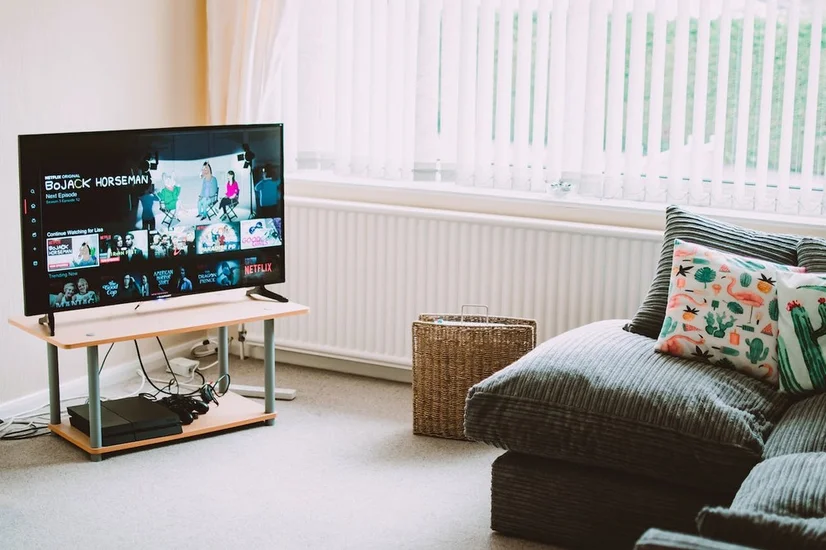
What is a 4K television?
The term 4K (often used interchangeably with Ultra High Definition, or UHD) refers to the resolution of a screen, measured in the number of pixels.
4K resolution refers to an image resolution of 3840 x 2160 pixels, which is the next major step up from 1080p (or Full HD) which is 1920 x 1080 pixels.
4K offers more pixels, which means better detail, since you have smaller pieces with which to build a clearer, higher quality image. The quality difference doesn’t really start to shine until you get a panel with a screen size ranging from 50 inches or larger.
Regardless of what a TV is capable of, the image quality is also in part determined by what is being played on the TV.

Is buying a 4K TV worth it?
To make investing in a 4K TV worth it, your main viewing platforms or streaming services should be 4K capable. Only then will you get the promised crisper images, clearer text, and smaller objects becoming easier to see in detail.
If the main platforms you use to watch TV aren't 4K compatible, you’ll be wasting the 4K or UHD capability as you’ll get the same quality as HD or 1080 resolution.
What do you usually watch on TV?
- Free-to-air TV: Currently, there are no free-to-air channels in Australia that broadcast in 4K. The HD channels (One, 9HD, etc.) broadcast in 1080p, while all standard channels are in 720p. Some free-to-air channels have begun to experiment with streaming 4K content through their apps.
- Sports channels: Many now broadcast or stream 4K sports, for example FOX Sports Ultra HD (the 4K option is exclusive to TV and is unavailable on web or mobile).
- Streaming Services: You can watch TV shows and movies in 4K on Netflix, Stan and Foxtel. This is possible even if you don't have a smart TV by connecting a Chromecast, Apple TV or Android TV box via a 4K HDMI cable. However, you'll need a good internet connection (at least 25 mbps) to watch without constant buffering. If DVDs are more your style, you can opt for a 4K blu ray player.
- Gaming: The latest Playstation and Xbox gaming consoles offer 4K games, but the Nintendo Switch does not.
How much does a 4K TV cost?
4K TVs range in price. You can acquire a cheap 4K TV for $300 to $400 from some brands, while a high-end model could set you back as much as $20,000. With 4K quickly becoming the norm, prices have become a lot more affordable, with many being almost as cheap as 1080 HD TVs for sale.
Screen sizes for 4K TVs range from around 42 to 85 inches. A 55-inch screen can range from $450 to $6000, and is generally considered a good fit for an average-sized family room.
Screen size is just one factor in determining price – for example OLED TVs will cost more than LED LCD TVs - there's more on this in the ‘Screen Type' section.
It’s also helpful to factor in the added ongoing cost of purchasing a 4K TV, however minor. For example, a Blu Ray player and Blu Ray DVDs (and the player itself) will be slightly pricier than regular DVDs. If you have Netflix or Stan, you'll have to upgrade to a premium plan to access 4K content, if you’re not already on one. Some single-plan services like Apple+ and Disney+ have included 4K content, so you won't have to pay extra.
Choosing a screen size
The size of your 4K TV is usually one of the most important considerations after budget. The easiest way to determine which size you should be considering is to measure the distance from where your TV screen will be to where you'll be sitting and consult the table below to see what size would suit you.
| Viewing Distance | Recommended Screen Size | Available Screens |
|---|---|---|
| 2m or less | < 50 inch | Standard |
| 2 - 2.2m | 50 inch | Standard or QLED |
| 2.2 - 2.4m | 55 inch | Standard, QLED or OLED |
| 2.4 - 2.6m | 60 inch | Standard, QLED or OLED |
| 2.6 - 2.8m | 65 inch | Standard, QLED or OLED |
| 2.8 - 3m | 70 inch | Standard, QLED or OLED |
| 3 - 3.4m | 75 inch | Standard, QLED or OLED |
| 3.5m or more | 85 inch | Standard, QLED or OLED |
50" TVs
Bigger is better when it comes to 4K, but it’s still possible to enjoy 4K on a 50" TV. Anything below 50" and the extra pixels will most likely not make a difference to screen quality. Many TVs around this size are affordable and are available in LED or LCD screen types.
55" TVs
There’s a plethora of 4K Ultra HD 55" TVs that you can buy on a budget, with many under $1000. Although with many reviewers giving the cheaper 55" TVs low reviews, you’ll find that there’s a noticeable compromise in image quality as well as software quality - which refers to the operating system and usability of the menu.
65" TVs
The 55" TV was previously the average screen size found in most living rooms. Now, it looks as though the 65" has taken over as the most popular screen size. The 65" TV is the optimum size for watching a movie with your partner or inviting friends over for multiplayer gaming. With a screen this size or above, it’s worth investing in a TV with superior panel technology, such as a QLED or OLED TV.
75" TVs
Many people are now opting for a Netflix binge at home rather than shelling out money for movie tickets and overpriced popcorn. To set up your own home theatre, select a TV with a larger screen, such as a 75" TV. TV screens in this size range will climb significantly in price but will provide an unparalleled movie-watching experience.
Extra features
While some of these extra features are useful, others might simply drive advertising. Consider what's best suited to you and your household.
Screen type
Displays in modern standard TVs are typically written as LED LCD, which refers to the LED type described below.
- LCD: Uses technology similar to fluroscent lamps to light up the screen, accompanied by a liquid crystal display (LCD).
- LED: An LED display is similar to an LCD display. A liquid crystal display combines with the addition of Light Emitting Diodes (LED) in its backlight to produce better quality images on screen.
QLED and NanoCell are brand-specific versions of LED LCD screen tech, both available to view 4K or 8K content.
- QLED: Some Samsung 4K TVs draw upon Quantum Dot LED technology to offer a more precise light spectrum than a regular LED screen. QLED is still a type of LED screen, but a more advanced type that increases colour intensity and enhances contrast for a richer picture quality.
- Nano Cell: LG's Nano Cell technology uses colour purifiers to produce more vivid and accurate colours.
What's the difference between an LED LCD and OLED display?
With an OLED display, each pixel is its own light source and is capable of turning off individually, whereas LEDs light up clusters of pixels.
This difference is most noticeable when viewing black colours. An OLED screen displays 'true black' by shutting off pixels and not transmitting any light to dark areas. An LED display will instead dim the screen area that needs to be black. OLED screens are seen as the best available technology, offering better contrast and viewing angles. However, they come with a price tag to match.
It's worth noting that screen technology is separate from other popular features like 4K resolution, HDR, curved screens, 3D, and high refresh rates. If you choose any extra features like these, they are available with any screen type - OLED and LED LCD models.
Smart TVs
While 4K TVs are not smart TVs, many smart TV models let you watch 4K content. Any TV that can connect to the internet, run apps, and access streaming media services is considered a smart TV.
Most TVs sold today are smart TVs. Some offer additional Smart features, so you can choose a model with features that appeal to you.
If you enjoy watching free-to-air and live TV, you’ll want to look out for a unit with Freeview Plus, which lets you catch up on TV that aired in the past 7 days, and record or set reminders for your favourite shows.
Some TV brands have their own operating system offering a limited number of apps and streaming services. Some operating systems include:
- Android TV: A version of Android by Google created for TVs, allowing you to access a vast selection of apps from the Google Play Store. Android TV also comes with both Google Assistant and Chromecast built in.
- Apple TV: This uses a little black box to connect your TV to your iPhone, allowing you to use a variety of apps on your smart TV.
- WebOS: used by LG.
- TizenOS: used by Samsung.
Brands may use a mix of operating systems, for example TCL uses Android TV in their high-end units, but a basic proprietary smart OS in their more inexpensive sets. Some operating systems may include Amazon Alexa, and may also support screen casting from your phone or tablet.
HDR (High Dynamic Range)
What is HDR?
HDR TVs have the capability to display up to several thousand nits of brightness, while a standard dynamic range TV will usually produce 300-500 nits of brightness at most.
HDR improves the quality of pixels, and offers a better overall viewing experience with a starker contrast between dark and light colours, offering a rich depth of colour. As movie studios continue to embrace 4K and HDR, you'll find plenty of content on Blu-ray, Netflix, Amazon, and YouTube.
If you plan to use your TV for gaming, HDR can provide a more immersive and realistic gaming experience. The number of HDR-supported games is increasing and HDR is currently supported on the Xbox One S, One X, and all current PlayStation 4 variants. The Nintendo Switch does not currently support HDR or 4K.
Types of HDR formats
HDR isn't the same across the board, and the different types of HDR that you see on advertisements can be confusing.
- HDR 10: Widely considered the standard benchmark of HDR, as well as its most common format. An open-source format, it's free to use for manufacturers and so any HDR TV should be able to should support it, along with most 4K TVs.
- HDR10+: Another open format created by Samsung that also adds dynamic metadata and intends to rival Dolby Vision. If you’re purchasing a Samsung 4K TV, it will automatically come with HDR10+, and Dolby Vision isn’t an option.
- Dolby Vision: HDR 10’s premium competitor, Dolby Vision combines HDR video with Dolby Atmos sound, for a cinema-like experience. It adds dynamic metadata and offering even more nits of brightness and increased colour depth. While all Dolby Vision TVs will support HDR10, HDR10 TVs won't support Dolby Vision.
- Other HDR formats: These are less commonly used, usually by specific brands. Examples include HLG, created by NHK and the BBC, and Advanced HDR, made by Philips and Technicolour.

Refresh rate (Hz)
The refresh rate, measured in hertz (Hz), refers to the number of times per second an image on TV changes or refreshes. It impacts the level of motion blur during intense or fast-moving scenes. A higher refresh rate means less motion blur, keeping the image sharp and clear.
Currently, the only true refresh rate options are 50/100 Hz (the Australian standard) and 60/120Hz (the US standard). The two rates are considered interchangeable. Most TVs refresh at 50Hz or 60Hz, while higher-end models might have a native refresh rate of 100Hz or 120Hz. However, a 60Hz refresh rate doesn’t prevent a TV from being great quality.
Pro tip #1 - Look for the true refresh rate
Also known as the real or native refresh rate, there are 3 tiers of true refresh rates that a 4K TV can have:
- A refresh rate of 50/60Hz only.
- A refresh rate of 100/120Hz, but only for 1080p content. The rate will drop to 50/60Hz for 4K content.
- A refresh rate of 100/120Hz for both 1080 and 4K content.
Pro tip #2 - Ask questions if you are unsure
While you might think a deep dive into a product’s spec sheet would clear things up, some brands choose not to list true refresh rates in brochures or manuals.
While TVs can be advertised as 200, 400, or even 960Hz, using terms like ‘Motion Rate,’ ‘TruMotion,’ or others, these numbers are a conflation of the true refresh rate, reflecting backlight refresh rate, and additional refreshing by the processor.
Also ask to clarify because different companies use their own marketing math to calculate their advertised refresh rate. While one brand’s ‘400Hz’ may work out at a true rate of 100Hz, another brand’s ‘400Hz’ might be a true rate of 50Hz.
Pro tip #3: Check the pricing
True 100/120Hz TVs are more expensive to manufacture, so be wary if you see higher numbers advertised on budget TVs.
HDMI
The number of HDMI ports a TV has may not seem important when buying a TV, but it’s a feature you’ll want to pay attention to. HDMI (High-Definition Media Interface) has become the most popular connection type because of its ability to carry high quality, uncompressed digital and audio data. Consider how many you’ll need as these are the ports that you’ll use to connect any external sound system, gaming console, DVD player, or set-top box such as an Apple TV.
Pro tip #1: If you're unsure, go for a TV with at least 3 HDMI ports. This should keep you covered for the future.
Pro tip #2: On one of your TV's HDMI inputs you might also notice the label ARC, or eARC on the newest models. ARC stands for Audio Return Channel, and this feature allows you to use HDMI as both an input and output port, enabling two-way communication through a single port. This reduces the need for multiple cables and it's the best port to use for connecting your audio system to the TV.
Audio
Advances in screen technology have resulted in sleeker, thinner TV screens, but this has come at the cost of audio quality as TVs simply don't have the space. Some manufacturers have addressed the issue by emitting sound through the TV screen itself, such as with Sony’s A9F series.
Most TV speakers aren't too bad, but they certainly don't do 4K screens justice. So if your budget allows, it's definitely worth investing in an external sound system.

The most common audio setup is to add either a soundbar (pictured) or home theatre.
Delivering on both sound, simplicity and style, soundbars and soundbases are a popular choice as they fit nicely under a TV, can be wall-mounted if need be, and don’t take up much space.
Even cheaper soundbars around the $200 mark can show markedly improved audio over the default built-in speakers.
For the full cinematic experience (and with a permitting budget) you’ll want a home theatre system. Multiple speakers are placed around a room, emitting sound from various directions. If you’re going to invest in a surround sound set-up, we suggest at least a 5.1 channel system.
Pro tip: The numbers in a speaker system tell you the number of speakers and subwoofers it has. So a 5.1 surround system has 5 speakers and 1 subwoofer, while a 2.0 system has two speakers and no subwoofer.
Hi there, Thank you for sharing your feedback with us. It is… Read more